

In the food industry, maintaining efficiency and hygiene in material handling is vital for productivity and product quality. Vacuum tube lifters are commonly used to move bags, cartons, and containers, but choosing the right system requires careful evaluation of operational requirements, product characteristics, and environmental conditions.
Understand Your Application Requirements
Begin by clearly defining your application when choosing a vacuum tube lifter. Consider:
- Types of products (bags, boxes, drums, or containers)
- Weight range and lifting frequency
- Handling processes (stacking, palletizing, transferring)
- Production speed and workflow
Food factories often deal with repetitive handling tasks, so understanding these details ensures the lifter matches your operational demands. It also helps determine whether the system will be used as a standalone tool or integrated into a larger loading and unloading system.
Evaluate Product Characteristics
Different food products and packaging types require different handling solutions. Key factors include:
- Surface type (smooth, porous, or irregular)
- Packaging material (plastic, paper, cardboard, or metal)
- Stability and fragility
For example, vacuum suction works best on flat, sealed surfaces such as cartons or plastic-wrapped products. For porous materials like paper bags, specialized suction pads or clamps may be required to maintain a secure grip.
Determine the Required Lifting Capacity
Vacuum tube lifters are available in various load capacities, typically ranging from light-duty to heavy-duty applications. When selecting a system:
- Identify the maximum weight of the product
- Include a safety margin to ensure stable operation
- Consider variations in load weight
Choosing the correct capacity prevents system overload and ensures consistent performance, especially in high-volume food production environments.
Choose the Right Gripper Design
The gripper is one of the most critical components of a vacuum tube lifter. Common options include:
- Suction pads for cartons and flat surfaces
- Multi-pad systems for larger or uneven loads
- Specialized grippers for bags, drums, or irregular shapes
In the food industry, flexibility is important.Operators may handle a variety of product kinds without having to change equipment frequently thanks to a flexible gripper design.
Consider Hygiene and Food Safety Standards
Strict hygienic regulations are necessary in settings that produce food. When selecting a vacuum tube lifter, look for:
- Food-grade materials and coatings
- Smooth, easy-to-clean surfaces
- Resistance to moisture, dust, and contamination
Equipment should comply with industry standards and support sanitary operations. This is particularly crucial in industries like the manufacture of ready-to-eat food, dairy, and meat processing.
Assess Ergonomics and Operator Comfort
Vacuum tube lifters are designed to reduce physical strain on workers. Key ergonomic considerations include:
- Ease of operation and intuitive controls
- Adjustable handle height and grip
- Smooth lifting and lowering motion
A well-designed system improves operator efficiency and reduces the risk of workplace injuries, which is critical in labor-intensive food facilities.
Evaluate Integration with Existing Systems
In many food plants, vacuum tube lifters are part of a broader automation setup. Consider how the system will integrate with:
- Conveyor lines
- Palletizing or depalletizing equipment
- Warehouse handling processes
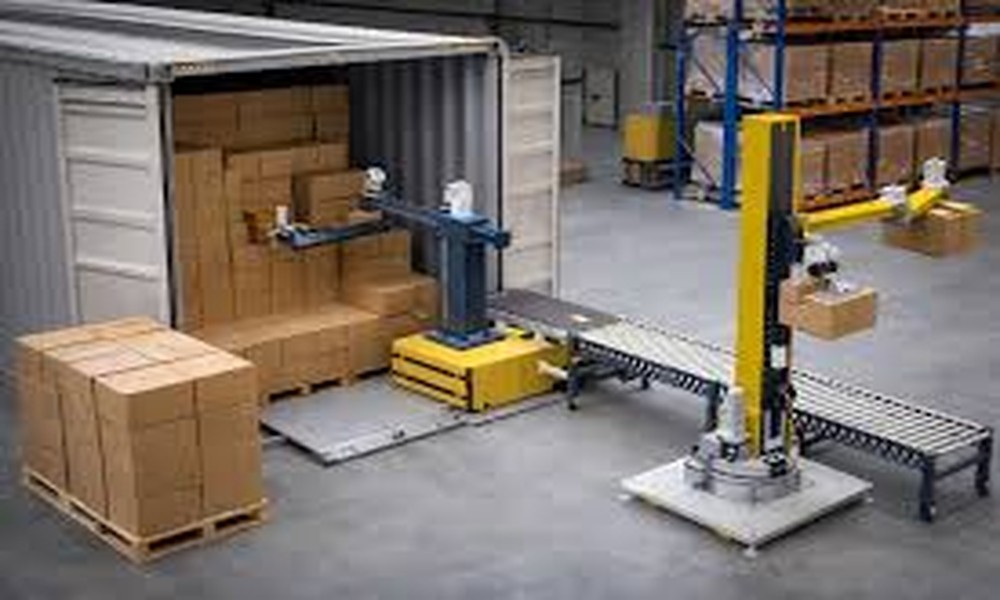
A vacuum tube lifter can enhance the efficiency of a complete loading and unloading system, ensuring seamless material flow from receiving to packaging and shipping.
Analyze Space and Installation Constraints
Space is often limited in existing food production lines. Before selecting a system:
- Measure available floor space and ceiling height
- Determine mounting options (column-mounted, wall-mounted, or overhead rail)
- Ensure sufficient movement range for operators
Proper planning ensures the equipment fits smoothly into your facility without disrupting current operations.
Consider Maintenance and Reliability
Reliable equipment is essential for continuous food production. When choosing a vacuum tube lifter, evaluate:
- Maintenance requirements and ease of servicing
- Availability of spare parts
- System durability and expected lifespan
A low-maintenance system reduces downtime and helps maintain consistent production output.
Plan for Future Flexibility
Finally, choose a system that can adapt to future production needs. As food manufacturers expand or diversify their product lines, handling requirements may change. A flexible vacuum tube lifter allows for:
- Easy adjustments to different product sizes and weights
- Compatibility with new packaging formats
- Scalability for increased production capacity
Conclusion
Selecting the right vacuum tube lifter for food industry applications involves more than choosing a lifting device-it requires a comprehensive understanding of your production process, product characteristics, and operational goals. By focusing on factors such as capacity, hygiene, ergonomics, and system integration, manufacturers can ensure optimal performance and long-term value.
When properly selected and implemented, a vacuum tube lifter becomes an essential tool for improving efficiency, safety, and consistency in modern food production environments.
