

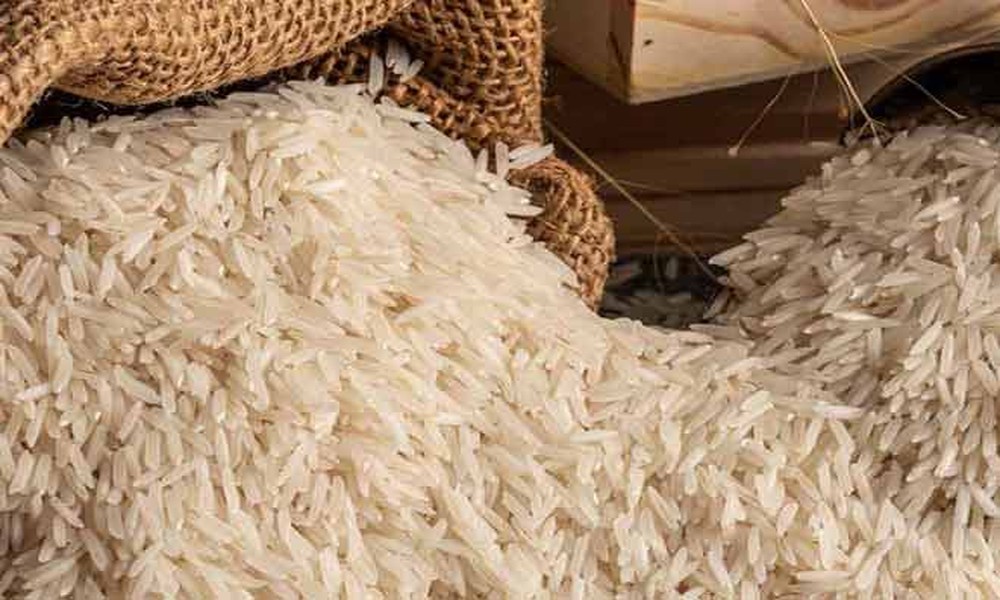
Importing rice into Singapore is to participate in one of the most sophisticated food security frameworks that any small nation-state has ever constructed. Singapore, an island of 733 square kilometres with virtually no agricultural land, has built its prosperity on trade, and rice sits at the very centre of that equation. Understanding how the system works is essential for any business seeking to operate within it.
Why Singapore Controls Rice Imports So Carefully
Geographers and historians have long observed that resource-poor nations develop disproportionately strong regulatory institutions around their most critical commodities. Singapore is a textbook case. The country imports more than 90 per cent of its food, and rice, as the staple grain for the majority of its population, receives particular governmental attention.
The Singapore Food Agency (SFA) is the primary authority responsible for overseeing all food imports, including rice. The SFA operates under the Sale of Food Act and the Food Regulations, which set out the legal requirements that every importer must satisfy. Getting these requirements right from the outset is not merely advisable; it is legally mandatory.
Obtaining an Import Permit
Any business that wishes to import rice to Singapore commercially must first obtain a licence from the SFA. Applications are submitted through Singapore Customs’ TradeNet system, which serves as the centralised portal for all trade declarations. For each consignment, importers are required to obtain a Customs In-Payment permit before the cargo is released.
The key steps involved in this process include:
- Registering with the Accounting and Corporate Regulatory Authority (ACRA) as a business entity
- Applying for a food import licence through the SFA
- Submitting a TradeNet declaration for each shipment
- Providing Certificates of Origin and health certificates from the country of export
- Ensuring all products comply with Singapore’s food safety standards
Approved Source Countries and Quality Standards
Not all origins are treated equally when it comes to rice imports in Singapore. The SFA maintains a list of approved countries from which specific food products may be sourced. For rice, the major approved origins include Thailand, Australia, Vietnam, and Taiwan, each of which produces distinct varieties that serve different segments of the Singapore market.
Thai jasmine rice, or Hom Mali, commands a premium position in the Singapore marketplace. The Thai government certifies exports against strict grading standards, with AAA grade requiring a minimum purity of 92 per cent. Australian medium and short grain varieties, including calrose and short grain rice popular in Japanese and Korean restaurant kitchens, have grown steadily in demand. Vietnamese fragrant rice appeals to cost-conscious buyers seeking reliable quality, while Taiwanese varieties serve niche culinary applications.
The SFA requires that all imported rice products carry accurate labelling that includes the country of origin, the net weight, and relevant nutritional information. Products that do not meet these labelling standards may be detained or rejected at the border.
The Rice Stockpiling Scheme
One of the more distinctive features of the Singapore regulatory environment is the Rice Stockpiling Scheme. Under this arrangement, designated rice importers are required to maintain a minimum buffer stock equivalent to approximately two months of Singapore’s rice consumption. The government allocates stockpiling quotas, and importers who hold these quotas receive a storage subsidy in return.
The SFA describes the purpose of this scheme as ensuring “a stable supply of rice in Singapore even in times of disruption.” This reflects the broader strategic logic that has shaped Singapore’s food policy since independence: never allow dependence on a single source or a single supply chain.
Distribution and Retail Channels
Once rice has cleared customs and SFA inspections, it enters a distribution network that spans several retail channels. These include major supermarkets, provision shops serving local residential communities, and e-commerce platforms such as Shopee, Redmart, Lazada, and NTUC Online. Wholesale buyers typically include food service operators, restaurants, hotels, institutional caterers, and food manufacturers who require consistent supply in bulk quantities.
Short grain rice, increasingly popular in Japanese and Korean restaurant formats across Singapore, represents a growing niche for importers who can source and certify the appropriate varieties. Brown rice, valued for its higher fibre content and nutritional profile, has likewise seen sustained growth in both retail and health-conscious food service segments.
Practical Considerations for New Importers
Businesses new to the sector should expect the licensing process to take several weeks, depending on the completeness of their documentation. Engaging a licensed customs agent or freight forwarder familiar with SFA requirements can reduce delays significantly. All products should be tested against Singapore’s food safety parameters before shipment is arranged, as rejected consignments are both costly and time-consuming to resolve.
The regulatory environment surrounding the import of rice into Singapore is demanding precisely because the stakes are so high; food security is a matter of national survival, and Singapore has chosen to manage that risk through rigorous institutional oversight. For importers who understand and respect that framework, the Singapore rice market remains one of the most rewarding in Southeast Asia. Businesses that master these requirements will find a stable, well-regulated marketplace ready to receive the full range of rice imported into singapore from the world’s most trusted producing nations.
