

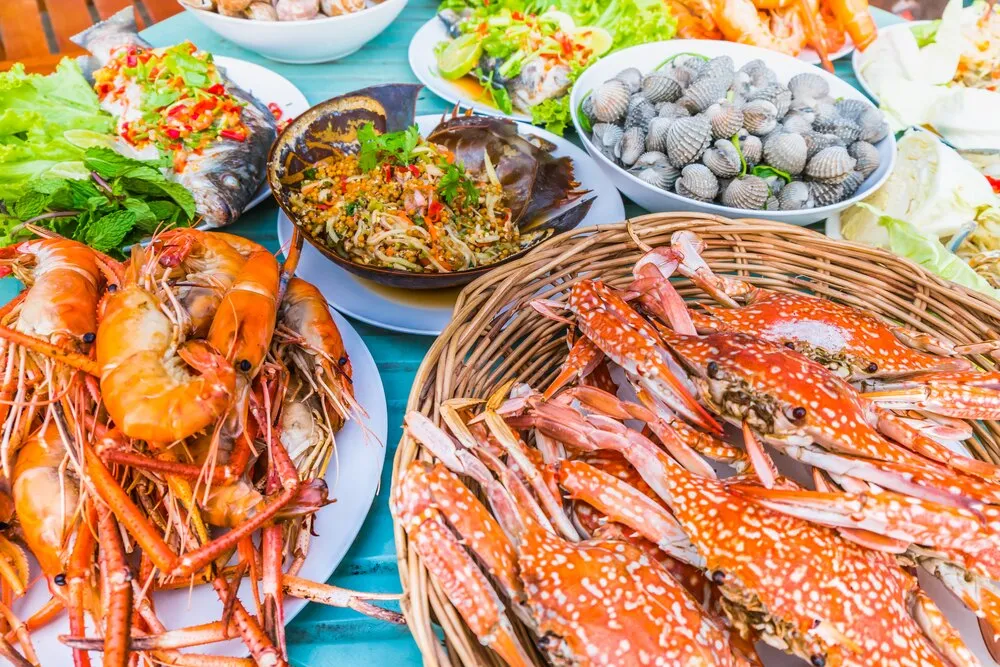
Open flame cooking continues to attract cooks seeking depth, richness, and restraint. Control rather than intensity defines successful grill outcomes. Heat, timing airflow, and fuel choice shape final texture. Many chefs working near a seafood restaurant in phuket refine these skills through repetition. Each step influences the aroma, juiciness, and bite. The grilling techniques emphasizing balance between smokiness, moisture, and tenderness reflect this careful approach.
Fire management shaping cooking outcomes
Fire behaviour determines surface reaction internal doneness. Controlled flames prevent harsh charring. Even heat distribution protects natural juices. Mastery begins by reading flame movement closely.
Heat control methods during grilling
Managing heat requires awareness, patience, and adjustment. Subtle changes affect texture significantly.
- Indirect heat zones reduce surface burning while allowing interior moisture retention
- Coal spacing adjustments regulate temperature intensity across the grill surface
- Lid positioning influences smoke circulation around proteins
- Preheating grates ensures immediate searing without sticking
- Resting meat briefly before grilling stabilizes internal moisture
- Turning frequency affects crust formation and juice preservation
- Flame flare control prevents bitterness development
- Fuel selection alters aroma intensity across cooking time
Ingredient preparation influencing tenderness
Preparation shapes final bite quality. Proper trimming reduces uneven cooking. Light seasoning supports natural flavor. Balanced preparation avoids masking base characteristics.
How do grill masters maintain texture harmony consistently?
Consistency comes from observation, restraint, and practice. Skilled cooks sense resistance during turning. They monitor color, sound aroma changes. Timing replaces guesswork. This awareness prevents overexposure to heat. Gentle control preserves softness while allowing smoke contact.
Experience also builds trust in resting phases. Proteins redistribute juices naturally. Cutting too early causes loss. Patience protects texture. Harmony results from letting heat complete its work without force.
Moisture retention through timing awareness
Timing controls juice movement. Early searing seals surface proteins. Gradual heat finishes the interior gently. Rest periods allow fibers to relax.
Smoke influence without overpowering flavors
Smoke enhances without dominating when applied lightly. Short exposure adds aroma depth. Excess smoke overwhelms natural taste. Balance defines quality outcomes.
Cooks refining menus at a seafood restaurant in phuket often adjust smoke time carefully for delicate proteins.
Protein response across grilling styles
Different proteins respond uniquely to flame contact. Understanding reactions improves planning. Selection guides technique choice.
FAQ on creative design collaboration
• How does a custom art curation firm define project identity?
They study the space’s purpose, then align the artwork with emotional intent.
• What value does a design firm add early?
They shape visual direction before structural decisions are finalized.
• How are artists selected for hospitality projects?
Selection matches the theme scale material harmony.
• Can custom art curation support brand storytelling?
Yes, artwork reinforces narrative through visual continuity.
• When should a design firm join planning?
Early involvement ensures cohesive integration.
Balanced fire craft principles
Fire mastery requires calm judgment. Flavor grows through restraint, timing awareness. Balanced technique protects natural qualities. Growth comes from repetition and reflection. Grilling techniques emphasizing balance between smokiness, moisture, and tenderness remain a guide for thoughtful flame cooking.
